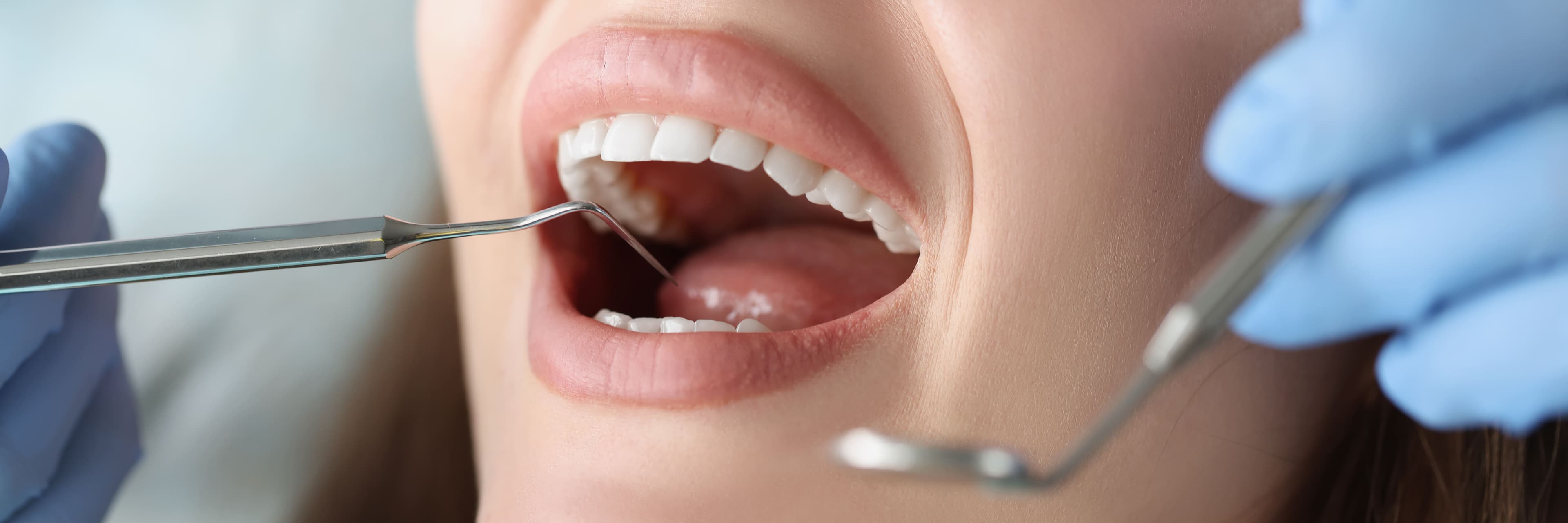
Emergency dental care with a dentist assessing a patient

Urgent dental concerns

Same-Day Emergency Dental Care in Leeds

Toothache, swelling or a damaged tooth should not leave you waiting. Our emergency dentists provide prompt assessment, clear answers and treatment at the same visit when you choose to proceed.

Consultation

X-rays included where clinically indicated

£20
Not sure what you need?

Talk it through with our team

Opens WhatsApp in a new tab.

What to know

What an emergency dentist can help with

Urgent dental care covers severe toothache, dental infections and abscesses, broken or chipped teeth, knocked-out teeth, painful wisdom teeth, lost fillings or crowns, bleeding after dental treatment and injuries to the teeth or gums.

The aim of the appointment is to identify the cause, relieve pain and prevent the problem becoming worse. Depending on the diagnosis, same-day care may include a filling or temporary restoration, drainage of an abscess, root canal treatment, extraction, recementing a crown or protecting an injured tooth.

Concerns worth discussing promptly

Severe or worsening dental pain, facial swelling, a damaged tooth, uncontrolled symptoms after a dental injury, or a lost restoration may need prompt advice. Symptoms alone do not confirm a diagnosis, so an assessment is important.

  • Explain when the problem started and whether it is changing.
  • Mention swelling, fever, bleeding, injury or difficulty opening your mouth.
  • Tell the team about relevant health conditions and medicines.

What happens at an emergency appointment

The dentist asks about the pain or injury, checks your medical history and medicines, examines the teeth and surrounding tissues, and may take an X-ray where it will help diagnosis. You will then be told what is causing the problem and which treatments can help.

If you choose to proceed, treatment can begin at the same visit. You will receive aftercare advice and be told whether any review or further restorative care is needed.

Contacting the clinic

You can contact the clinic 24 hours a day about emergency dental care. Arrange your appointment before travelling so the team can prepare for your concern.

If you cannot contact a dentist or obtain an urgent dental appointment, use NHS 111 online or call 111 for advice. Call 999 or go to A&E for the severe warning signs described above.

Different kinds of urgent dental problem

Urgent dental care covers symptoms and injuries rather than one single treatment. Common reasons to seek advice include severe toothache, suspected infection or swelling, a broken tooth, a knocked-out tooth, bleeding after an injury, or the loss of a filling or crown.

Some problems need dental assessment quickly but are not medical emergencies. Airway difficulty, uncontrolled bleeding and serious injuries sit outside routine dental triage and need emergency medical help.

  • Pain or swelling that is worsening or disturbing sleep
  • Trauma, a loose or displaced adult tooth, or a substantial fracture
  • A restoration failure that leaves pain, a sharp edge or difficulty eating

How urgent care differs from definitive treatment

The immediate aim is to diagnose the cause, relieve symptoms, protect damaged tissue and make the situation safe. We offer treatment at the same visit when you wish to proceed, followed by any review or planned restorative stages the chosen treatment requires.

Antibiotics are not a substitute for dental treatment and are not appropriate for every dental infection. A clinician decides whether they are indicated after considering the symptoms and signs.

What to expect

Your urgent dental assessment

The exact pathway depends on the problem, but a careful urgent assessment normally follows these stages.

  1. 01

    Triage

    Tell the team when symptoms began, how they are changing, whether there is swelling or trauma, and any relevant medical history.

  2. 02

    Examination

    The dentist examines the affected area and may use clinically indicated X-rays to understand the tooth, bone or restoration.

  3. 03

    Immediate plan

    The findings, options, likely benefits, limitations and costs are explained. If you wish to proceed, treatment can begin at the same visit to help get you out of pain.

  4. 04

    Follow-up

    You receive advice about recovery, warning signs and any definitive treatment or review that may still be needed.

Balanced information

What urgent care can do

A useful emergency plan balances relief today with the long-term outlook for the tooth and your wider health.

Potential benefits

  • Earlier assessment can identify infection, trauma or damage before it worsens.
  • Same-day treatment can relieve pain and protect the tooth or surrounding tissues.
  • Clear triage helps direct medical emergencies to the right service.

Risks and disadvantages

  • The exact treatment is determined after the dentist has examined the problem.
  • Some treatment may still need planned follow-up.
  • Every procedure carries its own risks and cannot guarantee that a tooth will be saved.

Alternatives to discuss

  • Monitoring may be appropriate for a minor, stable problem after assessment.
  • Planned restorative or root canal care may be discussed where suitable.
  • Extraction or referral may be considered when preserving the tooth is not predictable or appropriate.

After an urgent appointment

Follow the individual instructions given by the clinician, because advice varies with the diagnosis and any care provided. Symptoms should trend in the expected direction; worsening swelling, fever, uncontrolled bleeding or new breathing or swallowing difficulty needs prompt escalation.

  • Take prescribed or over-the-counter medicines only as directed.
  • Avoid disturbing a treated or injured area and choose foods that are comfortable.
  • Attend any planned definitive-treatment or review appointment even if pain improves.

Further reading

Trusted patient guidance

Consultation

Start with a clear assessment.

Tell us what you need help with. Your dentist will assess your needs and explain the appropriate next steps before any treatment is agreed.

Consultation fee

£20

X-rays included where clinically indicated

Ready to talk it through?

Contact the team to discuss your concern and current appointment availability.

Good to know
Questions patients often ask

Straightforward answers to help you prepare for an assessment.

Severe or escalating pain, spreading swelling, significant trauma, uncontrolled bleeding or a problem affecting normal eating or sleeping may need urgent advice. Contact the team so the circumstances can be assessed rather than relying on a website diagnosis.

Yes. You can contact the team at any time about a dental emergency using the phone or WhatsApp details on this page. The team will arrange a same-day appointment.

Yes, same-day treatment is available. The dentist will first assess the problem and explain the suitable options. If you wish to proceed, treatment can begin during the same visit to help get you out of pain.

Go to A&E or call 999 if swelling is affecting breathing or swallowing, bleeding cannot be controlled, or there is a serious facial or jaw injury. These symptoms need emergency medical care.

A Leeds consultation costs £20 and includes X-rays where clinically indicated. Any treatment costs are separate and will be explained after assessment.

No. Many dental problems require treatment of the cause rather than antibiotics alone. A dentist decides whether antibiotics are appropriate after assessment, including whether infection is spreading or there are systemic symptoms.

Explain where the problem is, when it started, how severe it is, whether it is worsening, and whether there is swelling, fever, trauma, bleeding or difficulty breathing or swallowing. Mention relevant medical conditions, allergies and medicines to the clinical team.

Send an enquiry

Tell us how we can help.

Share your contact details and a brief description of what you need. The team will respond using the details you provide.

For urgent symptoms, call instead. Call 999 or go to A&E if swelling affects breathing or swallowing, bleeding will not stop, or there is a serious facial or jaw injury.

Please do not include detailed medical histories, medication lists or sensitive information in your message. The clinical team can collect relevant information safely.