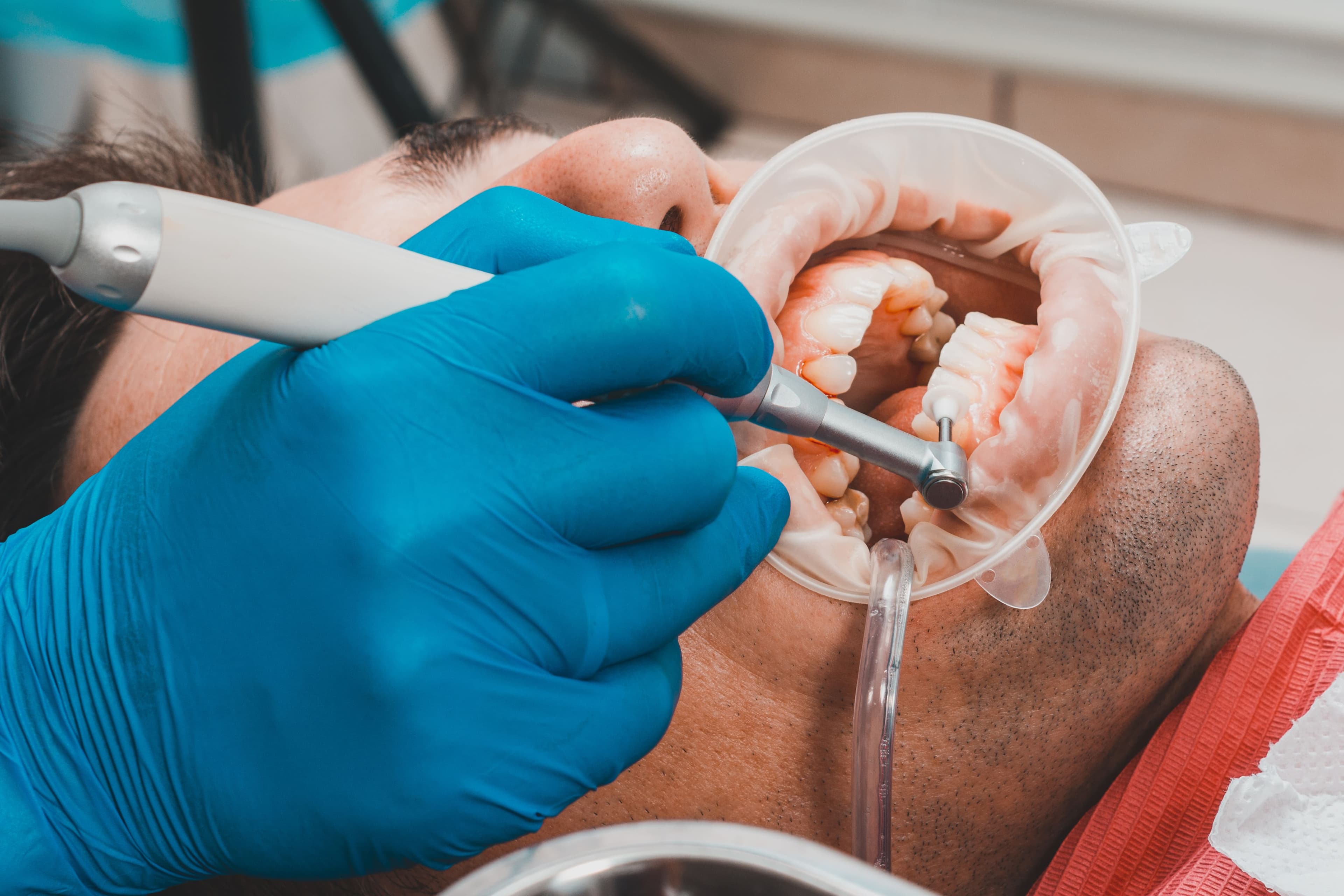
Damaged tooth advice

Repairing a Broken or Chipped Tooth in Leeds

A small chip, deep fracture or cracked tooth each needs a different solution. Same-day assessment can identify how far the damage extends, protect the tooth and begin the most suitable repair.

Consultation

X-rays included where clinically indicated

£20
Not sure what you need?

Talk it through with our team

Opens WhatsApp in a new tab.

What to know

Protect the area and describe what happened

Contact the team and explain how the damage occurred, whether a fragment came away and whether you have pain, bleeding, swelling or a change in the way your teeth meet.

Keep any fragment in a clean container and bring it with you. Do not try to glue it back or place household products on the tooth.

Is every chip an emergency?

A small painless chip may not have the same urgency as severe pain, bleeding or major damage, but it should still be assessed. Sharp edges, sensitivity and worsening discomfort are useful details to mention when contacting the team.

Different types of tooth fracture

A small enamel chip may create only a rough edge. A deeper break can expose sensitive dentine, while a fracture reaching the pulp may cause severe pain and infection risk. Cracks can run through the crown, below the gum or into the root, and some are difficult to see without tests or X-rays.

Ways a broken tooth may be repaired

A minor rough edge may be smoothed. Tooth-coloured bonding or a filling may rebuild a small-to-moderate chip. Larger damage may need a crown or onlay, and pulp exposure may require root canal care before the tooth is restored. A split or deeply fractured tooth may need removal. The dentist will explain which option gives the tooth a predictable future.

Different levels of tooth damage

A superficial enamel chip may mainly create a rough edge. A deeper fracture can expose dentine and cause sensitivity, while damage reaching the pulp can cause marked pain and increase the risk of infection. Cracks may extend below the gum or into the root and are not always visible.

Trauma can also loosen or displace a tooth and injure the lips, gums, jaw or neighbouring teeth, so the whole area needs consideration.

Repair options depend on remaining tooth

Possible discussions can include smoothing a minor edge, bonding, a filling, a protective restoration, pulp treatment, extraction or referral. These are examples rather than promises of availability.

The amount of sound tooth, crack direction, bite, symptoms and pulp health affect predictability. Even repaired teeth can fracture again or need further treatment.

What to expect

Assessing a damaged tooth

  1. 01

    Describe the incident

    Explain the timing, force, missing fragment, pain, bleeding and whether the bite feels different.

  2. 02

    Examine the tooth

    The dentist checks fracture depth, mobility, tenderness, soft tissues and nearby teeth, with X-rays where indicated.

  3. 03

    Protect or plan

    Immediate smoothing or stabilisation may be considered, or a planned restoration, review or referral may be needed.

  4. 04

    Monitor healing

    Pulp symptoms can develop later after trauma, so review advice matters even if the tooth initially settles.

Balanced information

Repairing a tooth while managing uncertainty

Potential benefits

  • Prompt protection can reduce sensitivity and further fracture.
  • Conservative repair may preserve more natural tooth structure.
  • Review can detect delayed pulp or root complications after trauma.

Risks and disadvantages

  • A crack may extend farther than it appears.
  • Bonding and restorations can chip, stain, debond or need replacement.
  • Severely fractured teeth may need complex treatment, referral or extraction.

Alternatives to discuss

  • Smoothing or monitoring a minor, stable chip.
  • Direct or indirect restoration where suitable.
  • Pulp treatment, specialist opinion or extraction for deeper damage.

Protecting a chipped or repaired tooth

Avoid biting hard foods with the affected tooth until it has been assessed and follow any material-specific instructions after repair. Continue gentle cleaning so plaque does not collect at the damaged margin.

  • Keep and bring any tooth fragment in a clean container.
  • Do not use household glue or a nail file on the tooth.
  • Return if pain, swelling, discolouration, looseness or a change in bite develops.

Further reading

Trusted patient guidance

Consultation

Start with a clear assessment.

Tell us what you need help with. Your dentist will assess your needs and explain the appropriate next steps before any treatment is agreed.

Consultation fee

£20

X-rays included where clinically indicated

Ready to talk it through?

Contact the team to discuss your concern and current appointment availability.

Good to know
Questions patients often ask

Straightforward answers to help you prepare for an assessment.

Keep it in a clean container and bring it to the appointment. Do not use household glue or try to reattach it yourself.

Not always, but an assessment is still sensible. Severe pain, bleeding, significant trauma, swelling or a major change in the tooth needs more prompt advice.

Contact the team promptly. Apply gentle pressure with clean gauze if soft tissue is bleeding. Uncontrolled bleeding or serious facial trauma requires A&E or 999.

No outcome can be guaranteed. Options depend on the amount and location of damage, the condition of the tooth and the clinical assessment.

Yes. Explain the injury and symptoms clearly when you contact the team and we will arrange a same-day appointment. Treatment can begin during the same visit if you wish to proceed after your assessment.

Trauma can inflame or damage the pulp even when the outer fracture initially seems minor. Symptoms or colour change can develop later, which is why monitoring and review may be advised.

Sometimes a suitable fragment can help with repair, but this depends on its condition and the fracture. Keep it clean and bring it; do not try to attach it yourself.

Send an enquiry

Tell us how we can help.

Share your contact details and a brief description of what you need. The team will respond using the details you provide.

For urgent symptoms, call instead. Call 999 or go to A&E if swelling affects breathing or swallowing, bleeding will not stop, or there is a serious facial or jaw injury.

Please do not include detailed medical histories, medication lists or sensitive information in your message. The clinical team can collect relevant information safely.