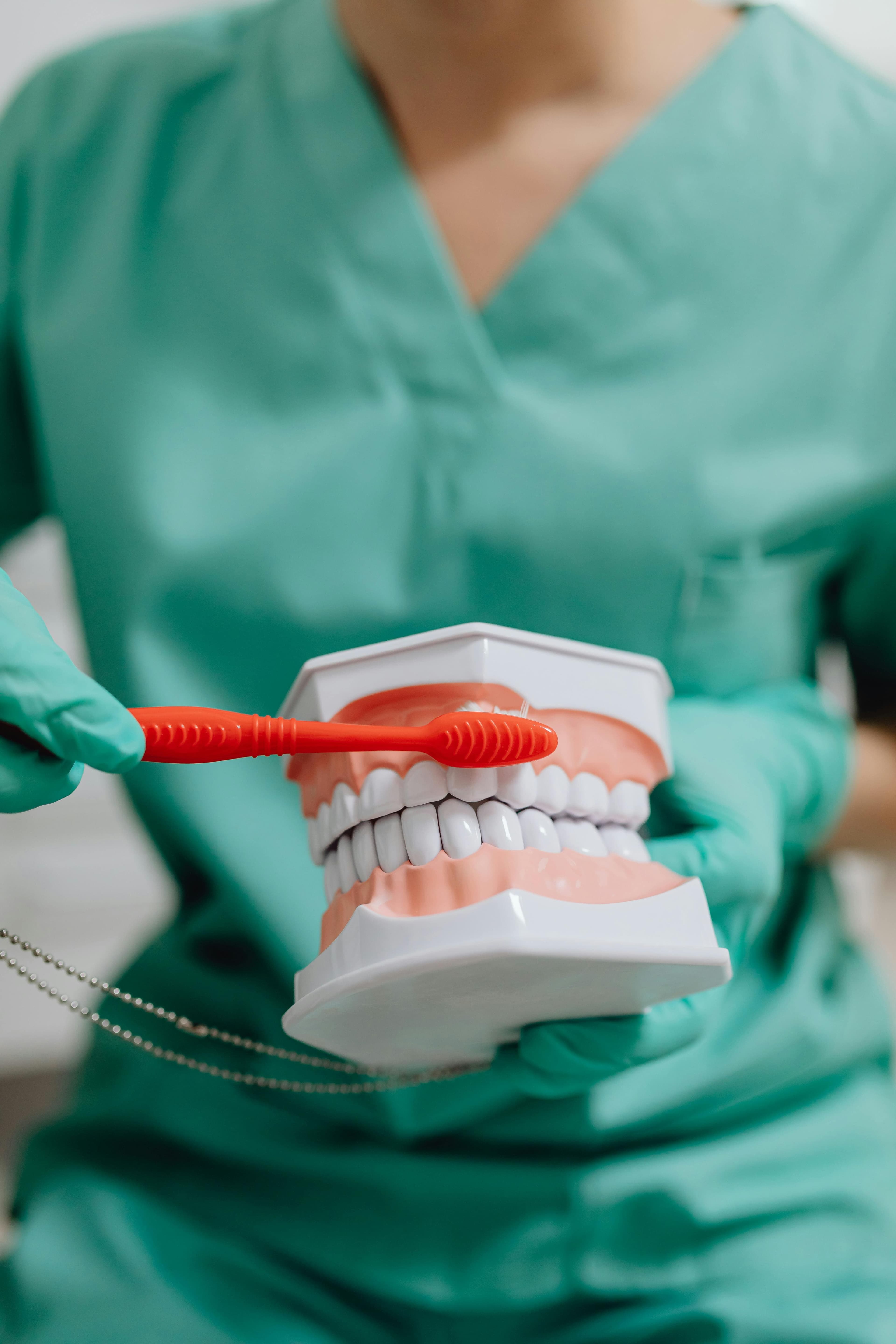
A dentist caring for a patient during a general dental check-up

Ongoing dental care

Healthy Teeth Start with General Dentistry in Leeds

From routine examinations and prevention to fillings, gum problems and damaged teeth, general dental care helps you address today’s concerns and protect your smile for the future.

Consultation

X-rays included where clinically indicated

£20
Not sure what you need?

Talk it through with our team

Opens WhatsApp in a new tab.

What to know

What general dentistry includes

General dentistry focuses on preventing disease, finding problems early and repairing teeth when needed. Common care includes dental examinations, fillings, gum assessment, treatment for sensitivity, replacement of failing restorations, crowns and advice tailored to your risk of decay or gum disease.

You do not need to diagnose the problem yourself. Tell the dentist what you have noticed, and the examination and any clinically indicated X-rays will be used to build a clear treatment plan.

Problems a general dentist checks for

A dental examination looks beyond obvious toothache. The dentist checks for decay, cracked or worn teeth, leaking fillings, gum inflammation, changes in the soft tissues of the mouth, bite problems and signs that grinding, diet, dry mouth or smoking may be affecting your teeth.

How decisions are made

Small areas of early decay may sometimes be managed with prevention and monitoring, while a cavity may need a filling. A heavily damaged tooth may require a crown, root canal care or removal. Gum care can range from improved daily cleaning to professional treatment and closer review.

The dentist will explain the recommended option, reasonable alternatives, likely maintenance and what could happen if treatment is delayed.

Planning your visit

Contact the team to arrange a same-day appointment. A Leeds consultation costs £20 and includes X-rays where clinically indicated. Any treatment costs will be explained after assessment and before treatment is agreed, and treatment can begin at the same visit if you wish to proceed.

What general dentistry may involve

General dentistry focuses on preventing, identifying and managing common oral-health problems. Depending on assessment and confirmed availability, discussions may cover examinations, gum health, decay, damaged restorations, tooth wear, sensitivity and ways to maintain teeth over time.

A category page cannot confirm that every named procedure is provided at this clinic. The dentist will explain available care and any referral needs.

Prevention, repair and monitoring

Not every finding needs immediate operative treatment. Good care can include prevention and home-care advice, monitoring a stable issue, repairing damage, or discussing the relative merits of more than one option.

The least invasive suitable approach should be considered alongside durability, maintenance, cost and your priorities.

What to expect

From concern to a personal care plan

  1. 01

    Listen

    You explain symptoms, previous dental experiences, medical history and what matters most to you.

  2. 02

    Assess

    The dentist examines your mouth and uses X-rays only where clinically indicated.

  3. 03

    Discuss

    Findings are explained in plain language, including the option of no immediate treatment where appropriate.

  4. 04

    Plan

    You agree priorities, costs and timing before treatment begins, with review or referral arranged if needed.

Balanced information

Choosing care that is proportionate

Potential benefits

  • Preventive advice can reduce avoidable disease and help restorations last.
  • Earlier diagnosis may allow simpler options.
  • A written plan can separate urgent needs from care that can be phased.

Risks and disadvantages

  • Fillings, crowns and other restorations do not last forever and may need repair or replacement.
  • Dental treatment can cause temporary sensitivity or discomfort.
  • Some teeth cannot be predictably restored and may need specialist advice or removal.

Alternatives to discuss

  • Prevention or monitoring with agreed review intervals.
  • A different restorative approach with different cost, durability or tooth preparation.
  • Referral when complexity or clinical need falls outside available care.

Looking after your oral health between visits

Daily plaque control, fluoride toothpaste, a diet that limits frequent sugar exposure and stopping smoking all support oral health. Your clinician may tailor advice to gum health, decay risk, dry mouth, tooth wear or existing restorations.

  • Brush twice daily with fluoride toothpaste and spit rather than rinsing immediately.
  • Clean between teeth using the method recommended for you.
  • Return sooner than planned if pain, swelling, a fracture or a restoration problem develops.

Further reading

Trusted patient guidance

Consultation

Start with a clear assessment.

Tell us what you need help with. Your dentist will assess your needs and explain the appropriate next steps before any treatment is agreed.

Consultation fee

£20

X-rays included where clinically indicated

Ready to talk it through?

Contact the team to discuss your concern and current appointment availability.

Good to know
Questions patients often ask

Straightforward answers to help you prepare for an assessment.

You can explain changes, discomfort or broader oral-health concerns. The team can advise whether an assessment is appropriate and the clinician can explain suitable next steps after examining you.

No. Describe the problem or goal in your own words. An assessment is intended to establish what may be suitable rather than asking you to diagnose the issue yourself.

A plan depends on the assessment findings, your health, priorities and clinical suitability. Options and relevant limitations should be discussed before you decide how to proceed.

Contact the team before travelling so current availability can be confirmed. This page does not state that walk-in access is available.

A Leeds consultation costs £20 and includes X-rays where clinically indicated. Prices for individual treatments are separate and should be discussed after assessment.

No. X-rays are included in the £20 consultation where clinically indicated, but they are used only when the dentist judges that they are needed for diagnosis or planning.

Yes. You should receive enough information about benefits, material risks, alternatives and likely consequences of no treatment to make an informed decision. You can ask questions and take time where the situation is not urgent.

Send an enquiry

Tell us how we can help.

Share your contact details and a brief description of what you need. The team will respond using the details you provide.

For urgent symptoms, call instead. Call 999 or go to A&E if swelling affects breathing or swallowing, bleeding will not stop, or there is a serious facial or jaw injury.

Please do not include detailed medical histories, medication lists or sensitive information in your message. The clinical team can collect relevant information safely.