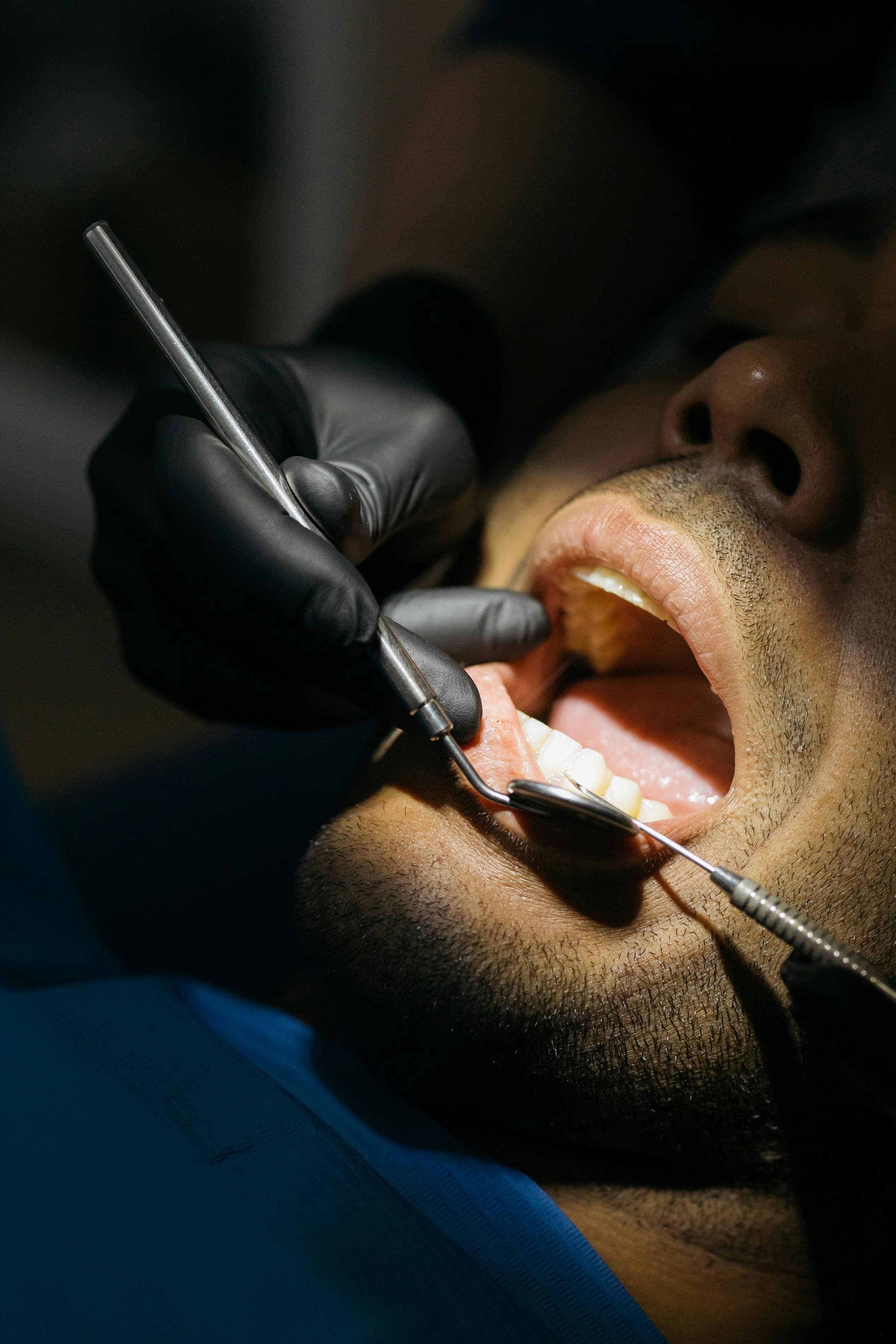
A dentist treating a patient with an urgent dental problem

Pain and swelling

Urgent Care for a Dental Abscess in Leeds

An abscess is a collection of pus caused by infection around a tooth or gum. Increasing pain, swelling, a bad taste, fever or difficulty opening your mouth needs prompt dental assessment and treatment of the source.

Consultation

X-rays included where clinically indicated

£20
Not sure what you need?

Talk it through with our team

Opens WhatsApp in a new tab.

What to know

Swelling should not be ignored

Contact the dental team promptly if you are concerned about an abscess or notice increasing pain or swelling. Describe where the swelling is, how quickly it changed and whether you feel feverish or unwell.

Do not wait for visible swelling to become severe before seeking advice. Symptoms can change and require an individual assessment.

Why an abscess needs dental treatment

An abscess is a collection of pus caused by infection around a tooth or in the gums. It will not reliably go away without treating the source. If it bursts and pain eases, bacteria and the underlying dental problem can remain and the infection may return or spread.

How an abscess is assessed

The dentist asks about pain, swelling, fever, taste changes and difficulty opening the mouth, then examines the tooth and surrounding tissues. An X-ray may help show infection around a root, decay, bone changes or whether the tooth can be restored.

How a dental abscess is treated

Treatment aims to drain infection and remove its source. Depending on the diagnosis, this can involve drainage through the tooth or gum, root canal treatment, gum treatment or extraction. Antibiotics may be prescribed when infection is spreading or causing systemic symptoms, but they do not replace dental treatment of the source.

What a dental abscess is

A dental abscess is a collection of pus caused by infection. It may develop around the root of a tooth or in the gum and supporting tissues. Symptoms can include intense pain, swelling, tenderness, a bad taste, fever or feeling unwell.

An abscess does not reliably disappear without addressing its source. If it drains and pain eases, infection may still remain.

How the source may be managed

Depending on the examination, the clinician may discuss drainage, treatment intended to preserve the tooth, gum treatment, extraction or referral. Availability of an individual procedure must be confirmed.

Antibiotics may be considered when infection is spreading, there are systemic symptoms or local measures alone are insufficient, but they do not replace treatment of the cause.

What to expect

Assessment of suspected dental infection

  1. 01

    Urgency check

    The team asks about swelling, fever, general health, mouth opening, and any breathing or swallowing difficulty.

  2. 02

    Clinical assessment

    The dentist examines the tooth and tissues and may take clinically indicated X-rays.

  3. 03

    Control the source

    Suitable local treatment, medication or referral is discussed based on severity, diagnosis and availability.

  4. 04

    Review and prevention

    Follow-up confirms recovery and addresses the tooth, gums or restoration responsible for the infection.

Balanced information

Why abscess treatment is individual

Potential benefits

  • Prompt care can limit progression and relieve pressure and pain.
  • Treating the source reduces reliance on repeated antibiotic courses.
  • Assessment identifies when hospital escalation or referral is needed.

Risks and disadvantages

  • Swelling can worsen and, rarely, threaten the airway or spread to other spaces.
  • A tooth may be too damaged to preserve.
  • Medication can cause side effects and does not guarantee the infection will not recur.

Alternatives to discuss

  • Root canal-type treatment where suitable and available.
  • Extraction where preservation is not appropriate or chosen.
  • Specialist or hospital referral for complex or spreading infection.

After treatment for an abscess

Complete medication exactly as prescribed and follow cleaning, eating and review instructions. Improvement should be monitored; worsening symptoms need reassessment rather than waiting for a course of medicine to finish.

  • Attend definitive treatment and review appointments.
  • Do not squeeze or attempt to drain swelling yourself.
  • Call 999 or go to A&E for breathing or swallowing difficulty, rapidly spreading swelling or severe systemic illness.

Further reading

Trusted patient guidance

Consultation

Start with a clear assessment.

Tell us what you need help with. Your dentist will assess your needs and explain the appropriate next steps before any treatment is agreed.

Consultation fee

£20

X-rays included where clinically indicated

Ready to talk it through?

Contact the team to discuss your concern and current appointment availability.

Good to know
Questions patients often ask

Straightforward answers to help you prepare for an assessment.

Breathing or swallowing difficulty, rapidly spreading swelling towards the eye or neck, uncontrolled bleeding, severe facial injury or becoming seriously unwell require urgent medical help through 999 or A&E.

Symptoms may fluctuate, but that does not confirm the source has resolved. Arrange assessment so the cause and appropriate next step can be considered.

The clinician asks about the pattern of pain and swelling, relevant health information and changes over time, then examines the area. Recommendations depend on the findings.

Seek prompt advice. If it affects breathing or swallowing, spreads rapidly towards the eye or neck, or you become seriously unwell, call 999 or go to A&E rather than waiting for a dental appointment.

Yes. We offer same-day appointments and treatment. The dentist will assess you, explain the suitable options and can begin treatment at the same visit if you wish to proceed.

Symptoms may temporarily ease if an abscess drains, but the source often remains and infection can recur or spread. Arrange dental assessment even if pain reduces.

The abscess itself is not passed from person to person, although bacteria associated with oral disease are common. The priority is assessment and treatment of the local source.

Send an enquiry

Tell us how we can help.

Share your contact details and a brief description of what you need. The team will respond using the details you provide.

For urgent symptoms, call instead. Call 999 or go to A&E if swelling affects breathing or swallowing, bleeding will not stop, or there is a serious facial or jaw injury.

Please do not include detailed medical histories, medication lists or sensitive information in your message. The clinical team can collect relevant information safely.