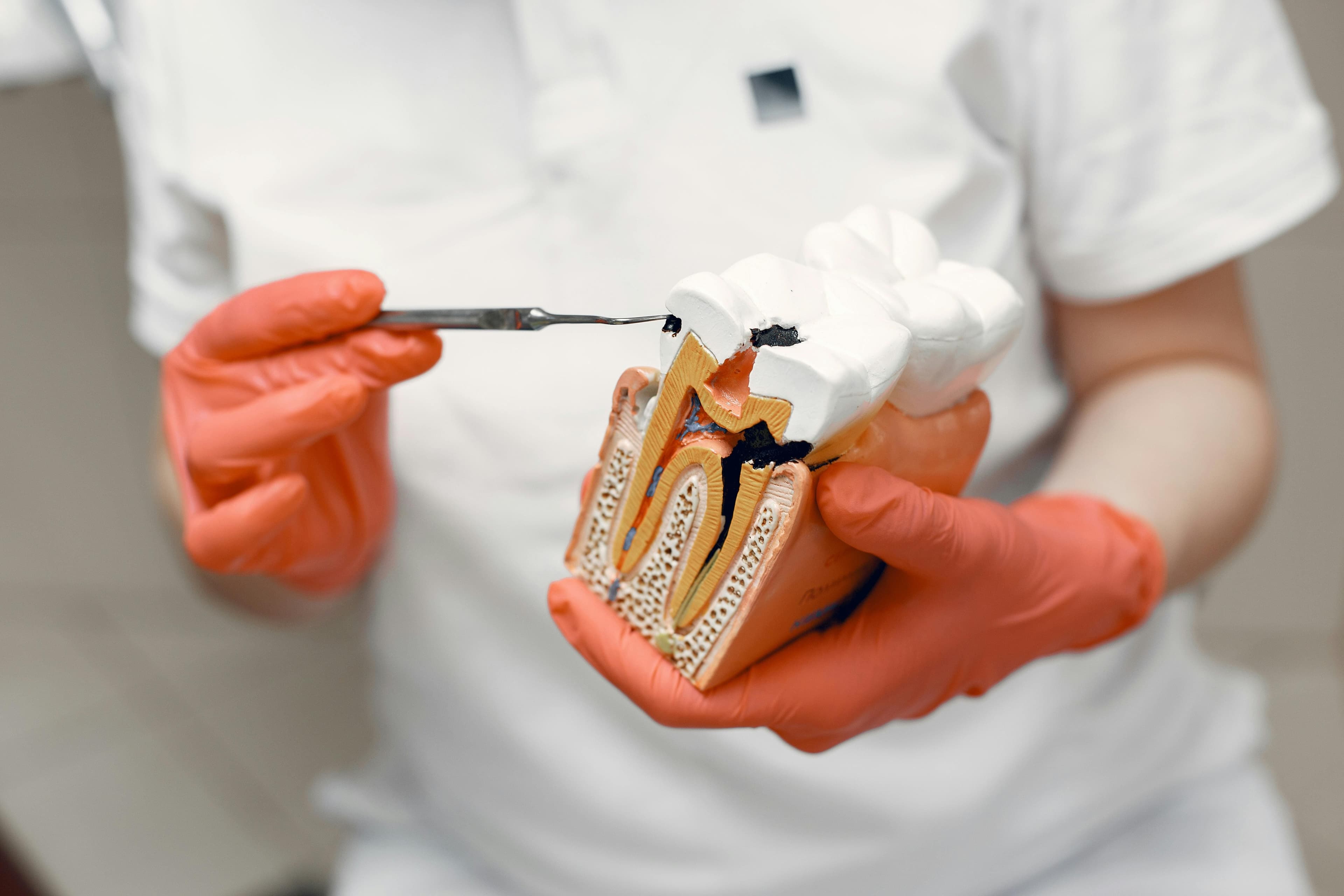
A dentist examining a patient with toothache

Help with dental pain

Fast Help for Toothache in Leeds

Sharp, throbbing or persistent dental pain can have several causes. A same-day assessment identifies the affected tooth, explains what is happening and allows treatment to begin before the problem worsens.

Consultation

X-rays included where clinically indicated

£20
Not sure what you need?

Talk it through with our team

Opens WhatsApp in a new tab.

What to know

Pain is a signal, not a diagnosis

Contact the team if pain is severe, worsening, disrupting sleep or accompanied by swelling, fever, a bad taste, trauma or difficulty opening your mouth. Explain when it began, what triggers it and whether it comes and goes.

The dentist will identify the likely source and explain how it can be treated. Depending on the cause, same-day treatment may involve a filling, protecting a cracked tooth, treating the nerve inside the tooth, gum care or removing a tooth that cannot be restored.

While arranging an assessment

Avoid placing aspirin or other medicines directly against the tooth or gum. If you normally take over-the-counter pain relief safely, follow the packet directions or ask a pharmacist for advice. Avoid foods or temperatures that clearly aggravate the pain.

How the cause of toothache is identified

The dentist will ask whether pain is sharp, throbbing, spontaneous or triggered by hot, cold, sweet foods or biting. They may check individual teeth for tenderness, examine the gums, test how the tooth responds and take an X-ray where clinically indicated.

Treating the cause rather than masking pain

A cavity may be restored with a filling. An inflamed or infected pulp may need root canal treatment or extraction. A cracked tooth may need protection with a restoration, while pain from the gums or an erupting tooth needs a different approach. Antibiotics are not a routine cure for toothache and are used only when clinical signs show they are appropriate.

Common patterns and possible causes

Toothache can arise from decay, an inflamed or infected dental pulp, a cracked tooth, a failed restoration, gum disease, an erupting tooth or pain referred from another area. Sensitivity to cold that settles quickly is different from spontaneous pain or pain that lingers.

Only an assessment can distinguish these possibilities. A change in symptoms does not necessarily mean the underlying problem has resolved.

Treatment depends on the diagnosis

Management might involve preventive advice, repairing a tooth, treating the pulp, managing the gums, removing a tooth or referral, depending on the findings and confirmed service availability.

Antibiotics do not cure toothache caused by an inflamed pulp and are not routinely appropriate without signs that indicate bacterial infection is spreading or affecting general health.

What to expect

How toothache is assessed

  1. 01

    History

    Describe the location, triggers, duration, severity, sleep disturbance and any swelling, bad taste, fever or trauma.

  2. 02

    Tests

    The dentist may examine, tap or temperature-test teeth and take clinically indicated X-rays.

  3. 03

    Diagnosis

    Findings are brought together to explain the most likely cause and whether urgent stabilisation is needed.

  4. 04

    Plan

    Options, risks, alternatives, costs and follow-up are discussed before treatment is agreed.

Balanced information

Balancing symptom relief with the future of the tooth

Potential benefits

  • Assessment can identify the source rather than repeatedly masking pain.
  • Early treatment may prevent further breakdown or infection.
  • A clear diagnosis supports an informed choice about preserving or removing a tooth.

Risks and disadvantages

  • Pain relief alone does not treat the cause.
  • A severely damaged tooth may not be restorable.
  • Root canal care, restoration or extraction each has distinct risks and may require further visits or referral.

Alternatives to discuss

  • Monitoring only when the findings support it.
  • Restorative or pulp treatment where the tooth is suitable and the service is available.
  • Extraction when preservation is not suitable or chosen after informed discussion.

Managing symptoms safely

While waiting for assessment, use over-the-counter pain relief only if it is normally safe for you and follow the packet instructions or pharmacist advice. Do not place aspirin on the gum, and do not rely on leftover antibiotics.

  • Avoid very hot, cold or sugary foods if they trigger pain.
  • Keep the area clean with gentle brushing.
  • Seek urgent help if swelling spreads, fever develops, or swallowing or breathing becomes difficult.

Further reading

Trusted patient guidance

Consultation

Start with a clear assessment.

Tell us what you need help with. Your dentist will assess your needs and explain the appropriate next steps before any treatment is agreed.

Consultation fee

£20

X-rays included where clinically indicated

Ready to talk it through?

Contact the team to discuss your concern and current appointment availability.

Good to know
Questions patients often ask

Straightforward answers to help you prepare for an assessment.

Seek prompt advice when pain is severe, worsening, disturbing sleep or accompanied by swelling, fever, trauma or difficulty opening your mouth. Airway or swallowing difficulty requires emergency medical help.

Intermittent pain still deserves assessment, particularly if it keeps returning or triggers are becoming more noticeable. A temporary improvement does not establish that the underlying issue has resolved.

Avoid placing medication on the gum or tooth. Follow labelled directions for pain relief only if it is normally safe for you, or ask a pharmacist. Avoid obvious triggers and contact the team if symptoms change.

Not necessarily. A filling or another repair may be enough if the tooth can be restored and the pulp is healthy. Root canal treatment may preserve a tooth when the pulp is infected, while extraction may be discussed if the tooth cannot be predictably restored or you prefer removal after understanding the alternatives.

Yes. We offer same-day appointments for every type of dental concern. After your assessment, treatment can begin at the same visit if you wish to proceed.

Pressure, temperature and inflammation can fluctuate, and a badly damaged nerve may eventually stop responding. A reduction in pain does not prove the tooth has healed, so persistent or recurrent pain still needs assessment.

Not usually when pain comes from decay or inflammation inside a tooth. Dental treatment may be needed to address the cause. Antibiotics are prescribed only when clinical signs indicate they are appropriate.

Send an enquiry

Tell us how we can help.

Share your contact details and a brief description of what you need. The team will respond using the details you provide.

For urgent symptoms, call instead. Call 999 or go to A&E if swelling affects breathing or swallowing, bleeding will not stop, or there is a serious facial or jaw injury.

Please do not include detailed medical histories, medication lists or sensitive information in your message. The clinical team can collect relevant information safely.